The Versatility and Applications of Perforated Copper Sheets
Perforated copper sheets are an essential material in various industries due to their unique properties and versatility. Copper, known for its excellent conductivity, corrosion resistance, and malleability, when combined with the perforation process, produces a sheet that serves both functional and aesthetic purposes. This article explores the characteristics, manufacturing processes, and diverse applications of perforated copper sheets.
What are Perforated Copper Sheets?
Perforated copper sheets are flat pieces of copper that have been punched or stamped with a series of holes or patterns. These holes can vary in size, shape, and spacing, allowing for customization based on specific needs. The perforation process not only enhances the sheet's appearance but also significantly alters its functionality. The perforations can reduce weight, increase flexibility, and improve sound absorption, making them suitable for a wide range of applications.
Manufacturing Process
The manufacturing of perforated copper sheets involves several steps. Initially, copper sheets of the desired thickness are sourced. The sheets are then subjected to a perforation process using either manual or automated machinery. The specific method chosen often depends on the design requirements and production volume. Techniques such as laser cutting, punching, and die cutting are commonly employed to create precise holes. After perforation, the sheets may undergo finishing processes, such as cleaning, coating, or even further shaping, to enhance their performance characteristics and aesthetics.
Applications in Various Industries
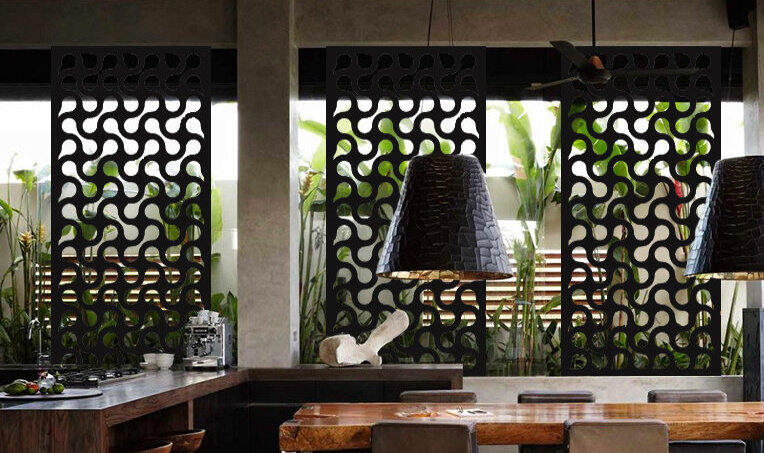
1. Architectural Design Perforated copper sheets are increasingly used in architectural applications due to their striking appearance and ability to allow light and air to pass through. They can be found in facades, sunshades, and decorative screens, enhancing both functional and visual appeal. Their natural patina over time adds to the aesthetic value, making buildings more visually appealing while still adhering to modern design principles.
2. Industrial Uses In various industrial settings, perforated copper sheets are employed for filtration and separation processes. Their ability to allow fluids or gases to pass through while retaining larger particles makes them indispensable in manufacturing environments, such as chemical processing, food production, and water treatment facilities.
3. Electronics Given copper's excellent conductivity, perforated sheets are often utilized in electronic applications, such as grounding and EMI shielding. They can be incorporated into devices and equipment to protect sensitive components from electromagnetic interference while maintaining efficient thermal management.
4. Artistic Endeavors Artists and designers are discovering the potential of perforated copper sheets for creative projects. The ability to manipulate their form and function allows for innovative sculptures, installations, and decorative pieces that challenge traditional forms of art. The interplay of light and shadow created by the perforations adds another layer of depth to artistic expressions.
5. Culinary Applications In culinary settings, perforated copper sheets are used in cookware and food preparation tools. Their thermal conductivity makes them ideal for applications such as baking trays and grilling surfaces, where even heat distribution is crucial for optimal cooking results.
Conclusion
Perforated copper sheets exemplify the marriage of functionality and aesthetics. Their myriad applications across architecture, industry, electronics, art, and culinary fields demonstrate their versatility and essential role in modern design and manufacturing. Whether enhancing the beauty of a building facade, improving the efficiency of a filtration system, or adding an artistic touch to a sculpture, perforated copper sheets continue to be a valuable asset in various domains. As industries evolve and the demand for innovative materials increases, perforated copper sheets will undoubtedly play an integral role in shaping the future of design and technology.
Leave a message for us