The Rise of Aluminium Perforated Panel Factories
In recent years, the construction and architectural industries have seen a significant surge in the demand for innovative and sustainable materials. One such material that has captured attention is the aluminium perforated panel. These panels are not only aesthetically pleasing but also offer remarkable functionality in a variety of applications. As the market evolves, a new wave of aluminium perforated panel factories has emerged, spearheading advancements in design and manufacturing processes.
Understanding Aluminium Perforated Panels
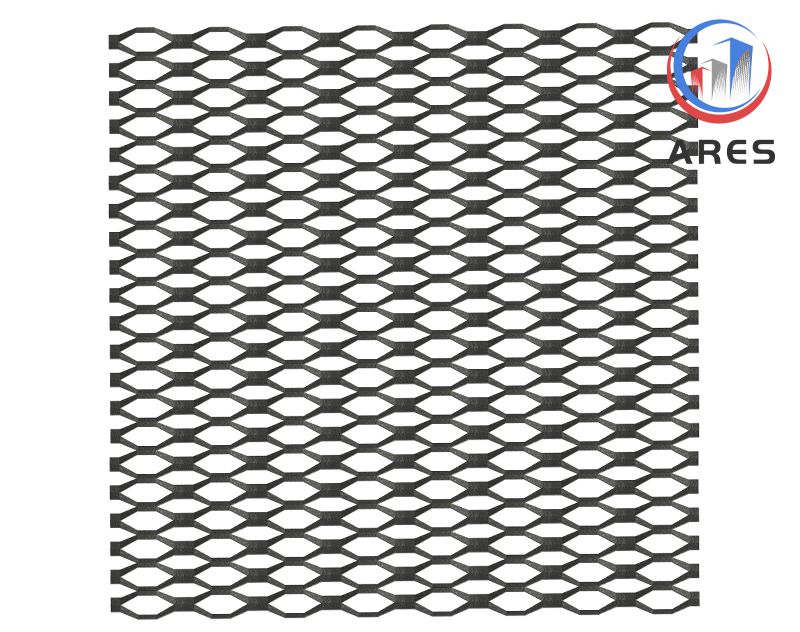
Aluminium perforated panels are sheets of aluminium that have been punched with a series of holes in a predetermined pattern. This design allows for a wealth of benefits from allowing air and light to pass through, improving ventilation, and enhancing sound absorption, to creating eye-catching facades for buildings. Such versatility makes them a favorite choice among architects and builders looking for both form and function.
The perforation patterns can vary widely, providing designers with the freedom to create unique visual elements while meeting specific functional requirements. Whether used in exterior cladding, interior wall partitions, or even in furniture design, aluminium perforated panels adapt seamlessly to various applications, making them an essential material in modern construction.
The Growth of Aluminium Perforated Panel Factories
With the rising popularity of aluminium perforated panels, factories specializing in their production have emerged worldwide. These factories are equipped with advanced technology, allowing for precision manufacturing and customization. The use of modern computer-aided design (CAD) software means that any design can be brought to life with a high degree of accuracy, meeting the diverse needs of clients and projects.
Additionally, many of these factories are employing sustainable practices, recognizing the importance of eco-friendly manufacturing. Aluminium is a recyclable material, which aligns well with global efforts to reduce waste and promote sustainability. More and more factories are implementing processes that minimize energy consumption and utilize recycled materials, further contributing to a greener future.
Innovations in Manufacturing Techniques
The aluminium perforated panel manufacturing process has evolved significantly in recent years. New technologies such as laser cutting and CNC machining allow for rapid production and the creation of intricate designs that were previously impossible to achieve with traditional methods. This innovation not only enhances the aesthetic possibilities but also lowers production costs and time, making it easier for clients to get their desired products within a shorter timeframe.
Moreover, advancements in coating techniques have enabled manufacturers to offer a wider range of finishes for their panels. From powder coating to anodizing, these techniques provide durability, resistance to corrosion, and protection from UV rays, ensuring that the panels maintain their appearance and functionality over time. Such quality assurance is vital in the competitive construction market, where longevity and resilience are non-negotiable.
Market Applications and Trends
The applications of aluminium perforated panels are vast and varied. They are widely used in commercial buildings, residential homes, and public infrastructure. From decorative facades that enhance the visual impact of urban architecture to functional elements like sunshades and noise barriers, the possibilities are expansive.
Recent trends also show a growing interest in integrating smart technology into these panels. For instance, some manufacturers are exploring the incorporation of solar panels within perforated designs, allowing buildings to harness renewable energy while maintaining aesthetic appeal. This blend of technology and design not only enhances the utility of the panels but also helps address the increasing demand for energy-efficient building solutions.
Conclusion
The rise of aluminium perforated panel factories signifies a pivotal shift in the materials used in construction and design. As these factories innovate and expand, they are redefining the boundaries of what is possible in architectural design, combining aesthetics, functionality, and sustainability. With the booming demand for custom solutions and eco-friendly practices, the future for aluminium perforated panels looks promising. As architects, builders, and designers continue to seek out modern materials that meet both their creative and practical needs, aluminium perforated panels are likely to remain at the forefront of material innovation in the industry.
Leave a message for us