Home - Perforated Metal Suppliers for Architectural Applications and Design Solutions
Exploring Perforated Metal in Architecture A Guide to Suppliers
In modern architecture, aesthetics and functionality often go hand in hand. One of the emerging trends that beautifully melds these two elements is the use of perforated metal. As a versatile material, perforated metal offers a myriad of applications, from façade design to interior elements. This article delves into the advantages of using perforated metal in architecture and highlights key considerations when selecting suppliers.
The Advantages of Perforated Metal
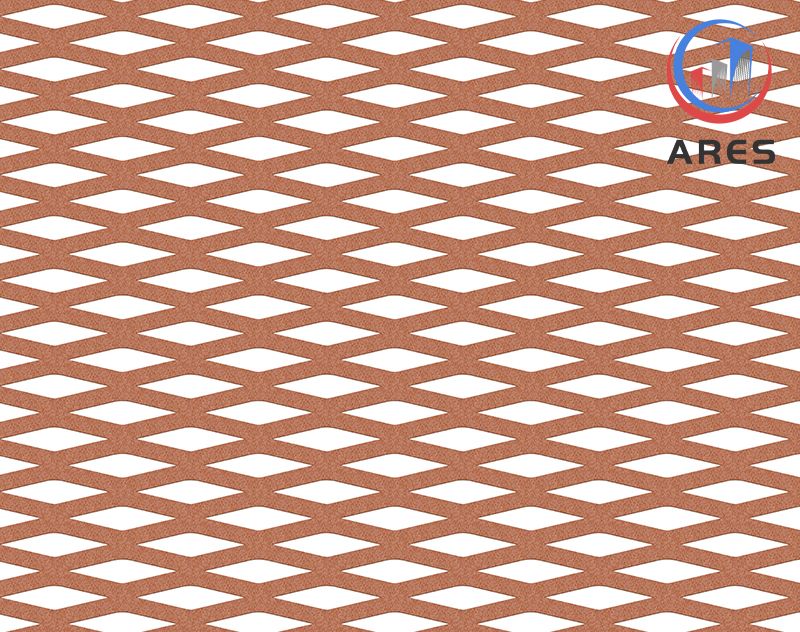
Perforated metal is sheet metal that has been punched with holes to create various patterns and designs. This material boasts several advantages that make it a favorite among architects and designers
1. Aesthetic Appeal The design possibilities with perforated metal are virtually limitless. From intricate geometric patterns to bold artistic statements, architects can tailor designs to fit the desired visual impact of any structure.
2. Natural Light and Ventilation Perforated metal allows for the passage of light and air while providing a degree of privacy and shade. This feature is particularly advantageous in urban environments where natural light may be limited.
3. Durability Made from robust materials like aluminum, steel, or stainless steel, perforated metal can withstand diverse weather conditions. This durability ensures longevity and low maintenance costs over time.
4. Sustainability As sustainability continues to be a priority in construction, perforated metal can be recycled and is often produced from recycled materials. Its energy-efficient properties can also contribute to reduced energy costs in buildings.
Choosing the Right Suppliers
When it comes to sourcing perforated metal for architectural projects, selecting the right supplier is crucial for achieving the desired results. Here are key factors to consider when evaluating suppliers
1. Experience and Expertise Look for suppliers with a robust portfolio in the architectural sector. Their experience in handling projects similar to yours can be invaluable, ensuring that they understand the unique demands of architectural perforated metal.
2. Quality of Materials Ensure that the supplier offers high-quality materials that meet industry standards. The choice of metal, thickness, and finish can significantly affect the performance and aesthetics of the final product.
3. Customization Options The ability to customize patterns, sizes, and finishes is essential for achieving the desired look in architectural designs. A good supplier should be able to accommodate specific requirements and provide expert advice on design feasibility.
4. Technical Support Perforated metal projects often involve complex designs that may require technical insight. Choose suppliers who offer technical support and can assist with design specifications, installation practices, and further suggestions.
5. Reputation and Reviews Researching customer reviews and case studies can provide insight into a supplier's reliability and service quality. Consider reaching out to previous clients for firsthand accounts of their experiences.
Conclusion
Perforated metal is rapidly becoming a go-to solution for architects seeking to enhance both the visual and functional aspects of their designs. As the demand for this innovative material grows, so does the importance of choosing the right supplier. By considering factors such as experience, quality, customization options, support, and reputation, architects can ensure they source the best perforated metal for their projects. With the right partnerships, the possibilities for creativity in architecture will continue to expand, emphasizing the harmonious blend of beauty and utility that defines modern design.
Leave a message for us