Home - Artistic Expanded Mesh with Elegance Shape - Light & Strong?
Walk through any new transit hub or boutique hotel lobby and you’ll spot it: sculptural facades that glint in daylight and glow at night. That’s expanded mesh having a moment—again. To be honest, I didn’t expect this niche to rebound so fast, but post-pandemic specs show a clear shift toward lightweight, expressive metals that are quick to install and easy to maintain. The Artistic Expanded Mesh with Elegance Shape hits that sweet spot.
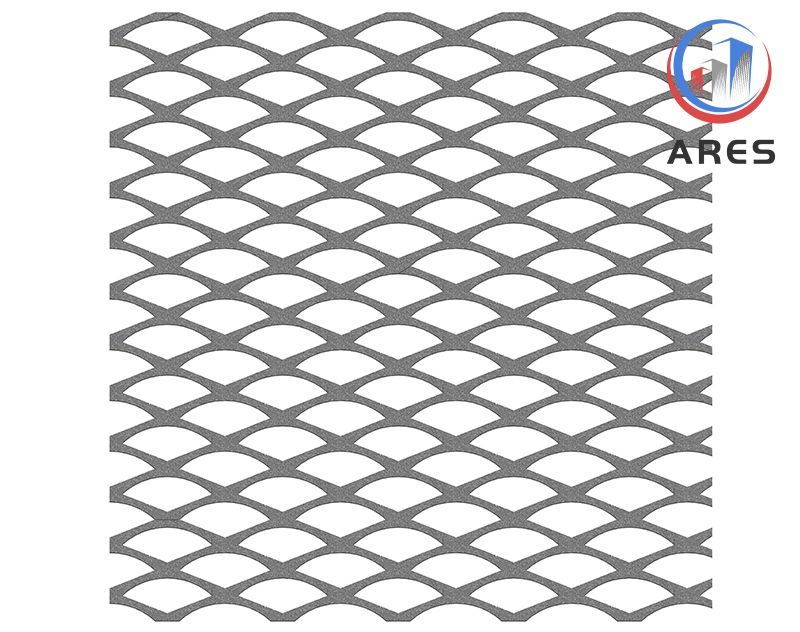
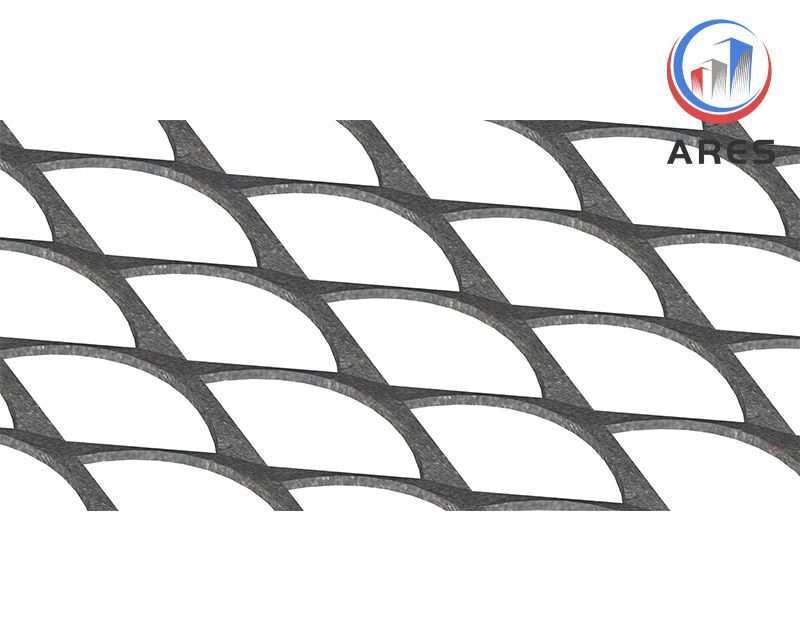
This model (HJAT-46115) is a raised aluminum expanded mesh—think rigid, three-dimensional, with a rhythmic diamond pattern that reads elegant rather than industrial. Actually, many designers use it to soften glass-heavy elevations, because the pattern gives depth without adding weight. Compared with perforated sheets, expanded mesh wastes less material and often costs less per square meter for similar opacity.
| Material | Aluminum (architectural grade), raised profile |
| Thickness (sheet) | 3.0 mm |
| Overall thickness (raised) | ≈22 mm (real-world may vary with tensioning) |
| LWD × SWD | 115 × 46 mm |
| Strand width | 15 mm |
| Weight | ≈5.28 kg/m² |
| Open area | ≈35% |
Materials: aluminum coil (commonly 3000/5000 series for facade stiffness). Methods: slitting → expanding (precision knife) → leveling → cutting → finishing (powder coat or anodize). For steel-based versions, galvanization is available; aluminum isn’t galvanized—powder coating or anodizing is the norm.
Testing: dimensional tolerances to ASTM F1267; coating durability often verified per ISO 9227 (neutral salt spray) and AAMA 2604/2605 guidelines for architectural coatings. In typical factory data I’ve seen, powder-coated panels withstand 1,000–2,000 h salt spray without blistering; your mileage may vary based on color and resin.
Service life: around 15–30 years outdoors depending on finish and exposure. Fire performance follows the substrate/finish system; aluminum is noncombustible in many classifications, but check project code path and EN 13501-1 where applicable.
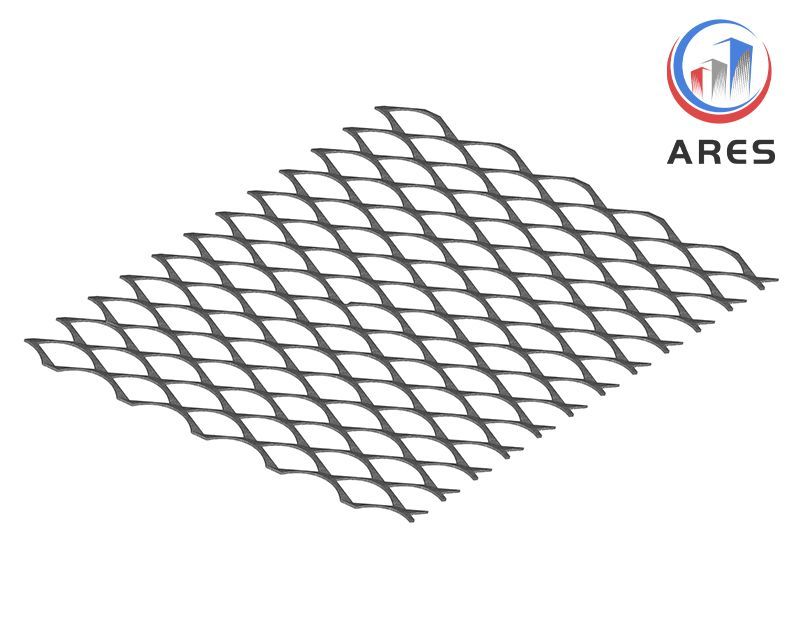
Advantages: high strength-to-weight, excellent airflow, minimal waste vs perforation, easy to curve, and honestly—great shadows. Many customers say installation time drops because panels are rigid even at large formats.
Panel sizes, edge framing, RAL colors, gloss levels, and perforation-to-expand hybrids. Bending radii and cassette systems can be engineered. For coastal sites, I’d lean toward 5000-series aluminum plus marine-grade coating.
| Vendor | Lead time | Customization | Certifications | Notes |
|---|---|---|---|---|
| Ares Material (Hebei, China) | ≈2–4 weeks production | High: colors, cassettes, edging | ISO 9001; coating per AAMA 2604/2605 | Origin: Room 2303, Block C, Wanda Office Building, No. 121 Huai'an East Road, Yuhua District, Shijiazhuang, Hebei |
| EU Mesh Specialist | ≈3–6 weeks | Medium–High | EN/CE documentation | Strong EPD support |
| US Architectural Metals | ≈4–8 weeks | High | ISO 9001; AAMA labs | Local code coordination |
Transit facade, MENA: The Artistic Expanded Mesh with Elegance Shape acted as a sun filter; thermal modeling suggested ~18% reduction in incident solar gain on glazing behind the mesh. Install crew reported faster alignment due to the raised profile’s stiffness.
Boutique hotel, Europe: Anodized champagne finish, 1.2 m × 3.6 m panels. Client feedback: “Surprisingly low maintenance—dust rinses off with rain; still looks sharp after the first winter.”
References:
Leave a message for us