Exploring the Intriguing World of Laser-Cut Sheet Metal
In recent years, the demand for precision-engineered components has burgeoned across various industries. Among the popular techniques for fabricating metal parts, laser cutting has emerged as a frontrunner, delivering unparalleled accuracy and versatility. If you're considering investing in laser-cut sheet metal for your projects, understanding its benefits, applications, and the buying process is essential.
What is Laser Cutting?
Laser cutting is a technology that uses focused laser beams to cut materials, offering high precision and efficiency. This method can work with a variety of materials, including metals like steel, aluminum, and brass. When it comes to sheet metal, laser cutting can achieve intricate designs and complex shapes that traditional cutting methods struggle to replicate. This precision allows manufacturers to create components that fit together perfectly without the need for extensive finishing work, reducing both time and costs.
Benefits of Laser-Cut Sheet Metal
One of the primary advantages of laser-cut sheet metal is its accuracy. The high-powered laser provides clean edges with minimal kerf (the width of the cut), which means less material wastage. Additionally, laser cutting systems can interpret CAD (computer-aided design) files directly, streamlining the transition from design to production.
Another key benefit is speed. Laser cutting can process sheets quickly, and with the advent of automation in this industry, manufacturers can produce large volumes with consistent quality. Furthermore, laser systems can be configured to assist with other processes such as engraving and marking, adding versatility to the production line.
Durability is also a significant factor to consider. Laser-cut sheet metals tend to maintain their structural integrity, even when cut into complex shapes. This is crucial for applications in HVAC systems, automotive parts, and custom fabrications where strength is necessary.
Applications of Laser-Cut Sheet Metal
The applications for laser-cut sheet metal are vast and varied. In the automotive industry, it's used for producing intricate parts that demand a high level of precision, such as brackets and supports. In architecture and interior design, laser-cut metal panels have become increasingly popular for custom facades and decorative features. Signage, furniture, and even art installations benefit from the unique aspects that laser cutting brings to the table.
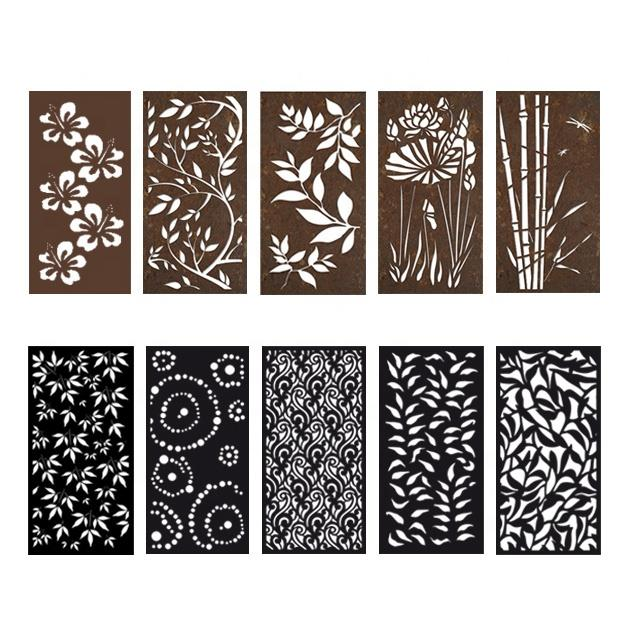
Other industries, including aerospace, electronics, and manufacturing, rely on laser-cut sheet metal for components that require high-quality finishes and exact dimensions. The ability to create prototypes quickly and efficiently also makes laser cutting an attractive option for research and development.
The Buying Process
If you're interested in purchasing laser-cut sheet metal, there are several factors to consider to ensure you choose the right supplier
1. Material Selection Depending on your project, you'll want to choose the right type of metal. Common choices include stainless steel, aluminum, and carbon steel, each of which has its unique properties and applications.
2. Thickness and Tolerance Specify the thickness of the sheet metal required for your application. Different laser cutting technologies can handle varying thicknesses, so checking the capabilities of your supplier is essential.
3. Design Files For a successful project, you will need to provide a detailed CAD file that reflects your specifications. The more precise your design, the more accurately the laser cutting process can be executed.
4. Lead Times and Costs Discuss the expected turnaround time and pricing with potential suppliers. Get quotes from multiple manufacturers to ensure you’re getting a fair deal while maintaining quality standards.
5. Post-Processing Needs Consider whether you will need additional processes such as bending, welding, or finishing. Some suppliers offer comprehensive services, which can simplify the logistics of your project.
Conclusion
Investing in laser-cut sheet metal can significantly enhance the performance and aesthetics of your projects. With its impressive accuracy, speed, and durability, laser cutting opens up a world of possibilities for various industries. By understanding the benefits, applications, and the important factors to consider during the buying process, you can effectively leverage this technology to meet your specific needs and elevate your business. Whether you're a seasoned engineer or a startup owner, embracing laser-cut sheet metal may just be the game-changer you've been looking for.
Leave a message for us