Home - Custom Hexagonal Perforated Metal Mesh for Unique Design Solutions
The Versatility of Custom Hexagonal Perforated Metal Mesh
In modern architecture and industrial design, the demand for innovative materials is ever-growing. Among these, custom hexagonal perforated metal mesh has gained significant popularity due to its unique aesthetic appeal and functional properties. This article delves into the advantages, applications, and manufacturing process of this versatile material.
What is Hexagonal Perforated Metal Mesh?
Hexagonal perforated metal mesh is made by punching hexagonal patterns into metal sheets, creating a distinctive design that sets it apart from traditional square or round perforations. The hexagonal shape not only enhances its visual appeal but also contributes to various functional benefits, such as improved airflow, light diffusion, and structural strength. The choice of materials—be it aluminum, stainless steel, or mild steel—adds to its versatility, allowing it to be customized for specific applications.
Advantages of Customization
Customization is one of the key benefits of hexagonal perforated metal mesh. Clients can specify the size, thickness, and spacing of the perforations to meet their specific needs. This personalized approach ensures that the product not only fits the required application but also aligns with the overall aesthetic of the space. Additionally, customization enables manufacturers to cater to different industries, such as construction, interior design, and furniture design.
Another advantage is the ability to choose from a variety of finishes. The surface can be powder-coated, anodized, or left raw, depending on the desired look and protective qualities. This variety allows designers to integrate the material seamlessly into their projects, whether aiming for a modern industrial look or a sleek, minimalist aesthetic.
Applications of Hexagonal Perforated Metal Mesh
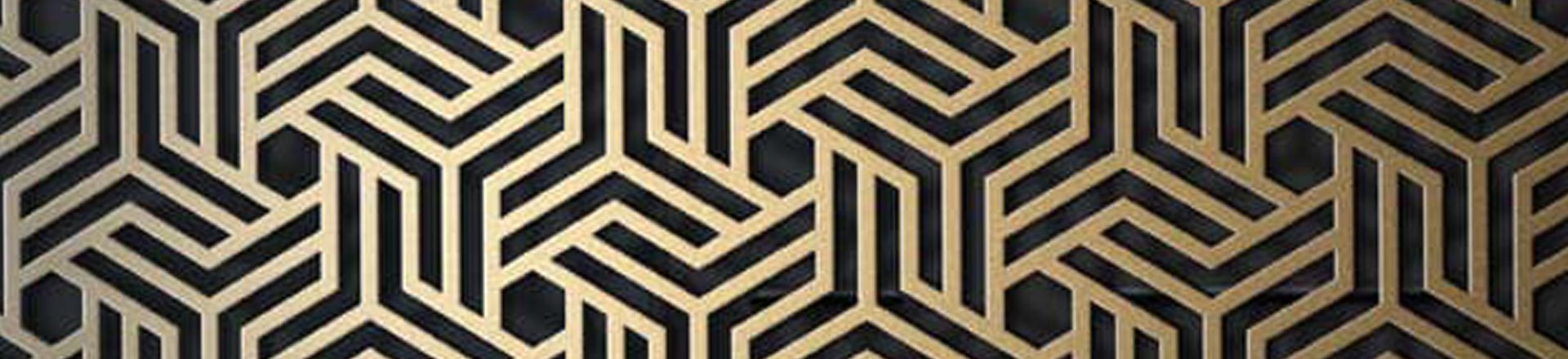
The applications of hexagonal perforated metal mesh are vast and varied. In architecture, it is often used for facades, sunshades, and decorative screens. The mesh provides privacy while still allowing natural light to filter through, achieving a balance between openness and seclusion. Its lightweight nature makes it easier to install and can significantly reduce structural loads.
In the realm of interior design, hexagonal perforated metal mesh serves as an excellent choice for room dividers, wall panels, and ceiling accents. The unique pattern adds depth and character to spaces, making it a favorite among contemporary designers. Furthermore, its use in furniture design—such as tables and chairs—demonstrates its capacity to blend form and function effectively.
Industrially, the mesh is employed in various applications, including filtration, sound insulation, and safety barriers. Its robust structure allows it to withstand harsh environments, making it ideal for outdoor installations, machinery enclosures, and even as protective grates on flooring.
Manufacturing Process
The manufacturing process of hexagonal perforated metal mesh involves several key steps. Initially, the metal sheets are selected based on the desired end product's specifications. Following this, advanced CNC (computer numerical control) machinery is used to precisely punch the hexagonal patterns into the metal. This level of precision ensures uniformity and quality across the entire sheet.
After perforation, the metal can undergo various finishing processes, such as cleaning, coating, or polishing, to enhance its appearance and durability. The final step involves cutting the sheet to the required dimensions and preparing it for delivery to the client.
Conclusion
Custom hexagonal perforated metal mesh embodies the intersection of design innovation and practical functionality. Its unique geometric pattern not only elevates the aesthetic of a space but also enhances performance in various applications. As industries continue to evolve, the versatility and customizability of hexagonal perforated metal mesh position it as a preferred choice among architects, designers, and industrial manufacturers alike. Whether for decorative purposes or structural integrity, this material is set to maintain its prominence in the years to come, proving that sometimes, the most intricate designs stem from the simplest of shapes.
Leave a message for us