The Evolution and Importance of Decorative Expanded Metal Sheet Manufacturing
In recent years, the demand for decorative expanded metal sheets has surged across various industries. This versatile material is not only praised for its aesthetic appeal but also for its functional attributes, making it a popular choice among architects, designers, and manufacturers alike. This article explores the evolution of decorative expanded metal sheet manufacturing, its applications, and the benefits of using this innovative material.
What is Expanded Metal?
Expanded metal is a type of metal mesh created by taking a sheet of metal and slitting and stretching it to form a pattern of diamond-shaped openings. The result is a lightweight, rigid structure that retains many of the properties of solid metal, such as strength and durability. Decorative expanded metal sheets are often manufactured from materials like aluminum, stainless steel, or mild steel and are treated with various coatings to enhance their appearance and performance.
The Manufacturing Process
The manufacturing of decorative expanded metal sheets begins with selecting the right type of metal, which is typically in sheet form. The desired thickness and alloy are determined based on the intended application of the product.
1. Slitting The selected metal sheet undergoes a slitting process, where it is cut in precise patterns. This stage is crucial, as the pattern will dictate the final appearance and functionality of the expanded metal.
2. Expansion After slitting, the metal sheet is stretched, which opens up the previously cut slits into a pattern of openings. This process not only creates the decorative design but also increases the surface area of the metal, enhancing its strength-to-weight ratio.
3. Finishing Once the metal sheet is expanded, manufacturers often apply various types of finishes. These can include powder coating, anodizing, or galvanizing to improve corrosion resistance and add aesthetic qualities. The finish can be tailored to the customer’s specifications, offering aural and visual characteristics that meet their design vision.
4. Quality Control Quality assurance is an essential step in the manufacturing process. Each batch of expanded metal sheets is rigorously tested to ensure they meet industry standards for strength, durability, and aesthetic quality.
Applications of Decorative Expanded Metal Sheets
Decorative expanded metal sheets are finding their place in numerous applications across various sectors
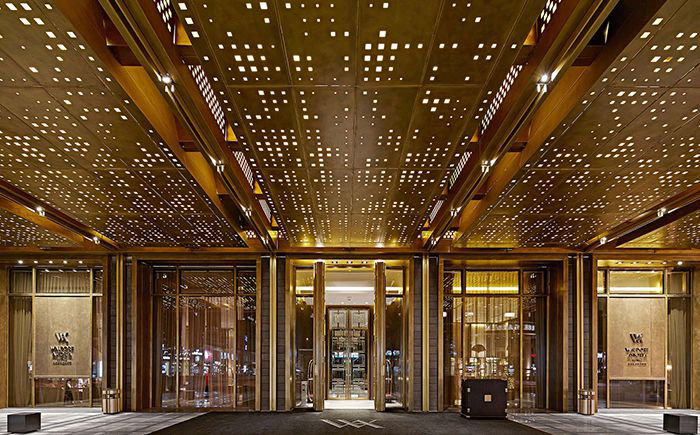
- Architecture and Interior Design They are increasingly used in both interior and exterior architectural designs. The mesh can function as cladding, room dividers, railings, and decorative screens. With a variety of patterns available, designers can create unique expressions that enhance the visual appeal of buildings.
- Furniture Design Designers appreciate the aesthetic versatility of decorative expanded metal sheets. They can be incorporated into tables, chairs, and light fixtures, adding a modern touch to furniture while maintaining functionality.
- Security and Safety In addition to their decorative qualities, expanded metal sheets provide security solutions for windows, doors, and fences, offering visibility while deterring unauthorized access.
- Industrial Applications The construction and automotive industries also utilize expanded metal sheets for various applications, including grating, walkways, and shielding components, often owing to their strength and lightweight nature.
Benefits of Decorative Expanded Metal Sheets
The advantages of using decorative expanded metal sheets are numerous
1. Aesthetic Flexibility With a wide range of designs and finishes, architects and designers can select styles that match their creative vision.
2. Enhanced Durability The manufacturing process preserves the inherent strength of the metal, making it resistant to wear and tear, which is essential for both interior and exterior applications.
3. Cost-Effectiveness The lightweight nature of expanded metal sheets allows for savings in transportation and installation costs, making them an economically viable choice.
4. Sustainability Metal sheets can be recycled without losing quality, contributing to environmentally sustainable practices in construction and manufacturing.
Conclusion
The decorative expanded metal sheet manufacturing industry has evolved into a crucial segment of the material design market, offering both functional and aesthetic solutions for modern architecture and product design. As industries continue to seek innovative materials that blend style, strength, and sustainability, decorative expanded metal sheets are positioned to remain at the forefront of design and engineering. Their ability to enhance visual appeal while providing structural integrity is a testament to the ongoing innovation in metal manufacturing.
Leave a message for us