Home - Design Innovations in Perforated Metal for Advanced CAD Applications
Understanding Perforated Metal in CAD Design
Perforated metal refers to sheets of material that have been punched, drilled, or stamped with a pattern of holes, slots, or other shapes. These patterns can be uniformly spaced or irregular and are commonly used across various industries, including architecture, construction, and manufacturing. The versatility of perforated metal has made it a popular choice for designers and engineers who utilize Computer-Aided Design (CAD) software to visualize and create innovative products.
Applications of Perforated Metal
One of the primary advantages of perforated metal is its ability to combine functionality with aesthetic appeal. It is frequently used for architectural features such as facades, sunshades, and privacy screens. The patterns created in the metal not only allow for the passage of light and air but also contribute to the overall design of the building. This balance of utility and design is increasingly sought after in contemporary architecture.
In the manufacturing industry, perforated metal is often used for filtration systems, soundproofing panels, and security screens. Its lightweight nature—along with the ability to customize hole sizes and patterns—provides engineers with the flexibility to tailor products to specific operational needs. Moreover, perforated panels can reduce weight compared to solid metal sheets, further improving efficiency and practicality.
CAD's Role in Designing Perforated Metal
Computer-Aided Design (CAD) software plays a crucial role in the process of designing perforated metal products. Utilizing CAD, designers can create detailed 2D and 3D models that accurately represent the intended design. This technology allows for precision when determining hole size, spacing, and the overall design of the perforated pattern.
One of the primary benefits of using CAD for perforated metal design is the ability to test and modify designs virtually. This reduces the need for physical prototypes, allowing for greater efficiency in the design process. Designers can experiment with different perforation patterns, materials, and thicknesses, all while receiving real-time feedback on the structure and performance of the design.
Creating Efficient Patterns
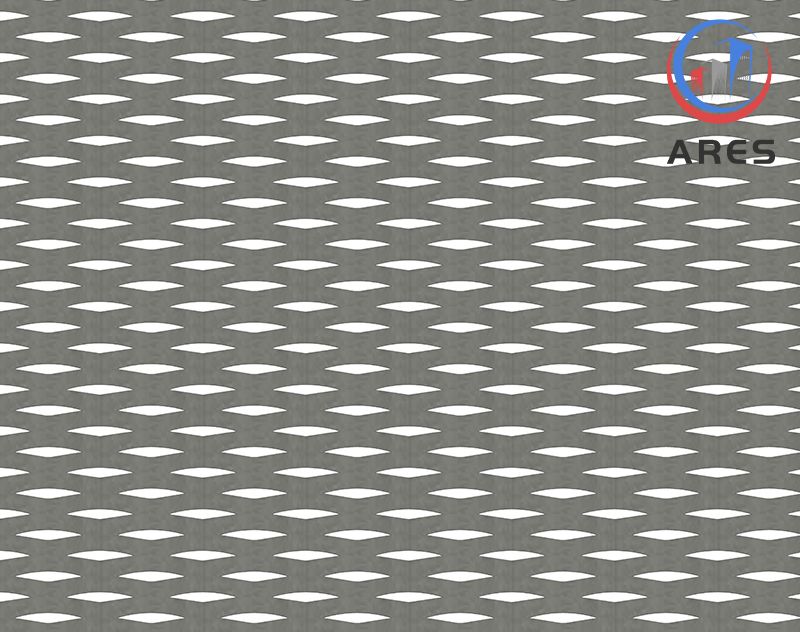
Selecting the right perforation pattern is essential for achieving the desired functionality and aesthetics. Factors to consider include the application of the perforated metal, the material being used, and the environmental conditions it will face. CAD software provides tools and capabilities that allow designers to simulate various conditions, assessing how different patterns will perform under specific stresses or environmental factors.
For instance, if a designer is creating a perforated panel for a building’s exterior, they may want to consider how wind loads will affect the structure. CAD software can help analyze various scenarios, ensuring that the final design meets safety and performance standards while remaining visually appealing.
Manufacturing Considerations
After the design process is complete, manufacturers use the CAD models to produce the perforated metal sheets. Advanced fabrication technologies such as laser cutting, punching, and CNC machining can turn these digitally modeled designs into physical products with remarkable accuracy. The precision offered by CAD ensures that the final output matches the intended design, allowing for high-quality results.
Moreover, the adoption of CAD in manufacturing processes streamlines operations, reduces waste, and minimizes the time taken from design to production. This is particularly beneficial in industries with high turnover rates and tight deadlines. CAD’s role in bridging the gap between design and manufacturing contributes to the overall efficiency and effectiveness of creating perforated metal products.
Conclusion
Perforated metal, aided by advanced CAD technologies, represents a fusion of functionality and artistic expression in modern design. Its broad range of applications and customization options makes it an invaluable resource across various sectors. As technology continues to evolve, the capabilities within CAD will likely further enhance the possibilities for perforated metal design, ushering in an era of innovation and creativity that meets the demands of an ever-changing world. Whether in architecture, manufacturing, or environmental solutions, perforated metal remains a prominent choice for designers and engineers seeking to achieve both form and function.
Leave a message for us