Home - Hexagonal Hole Aluminum Expanded Metal for Ceiling - Hebei Ares
Aluminum expanded metal is a versatile material that combines functionality with aesthetic appeal, making it an ideal choice for architectural applications. This article explores the Hexagonal Hole Raised Aluminum Expanded Metal for Ceiling, highlighting its features, technical specifications, applications, and the company behind it, Hebei Ares Building Decoration Engineering Co., Ltd.
The Hexagonal Hole Raised Aluminum Expanded Metal for Ceiling is a specialized form of expanded metal designed for use in ceiling installations. It is manufactured by cutting slits into a solid aluminum sheet and then stretching it to form a hexagonal pattern. This process creates open spaces that allow light, air, and sound to pass through, enhancing both acoustics and ventilation in architectural designs.

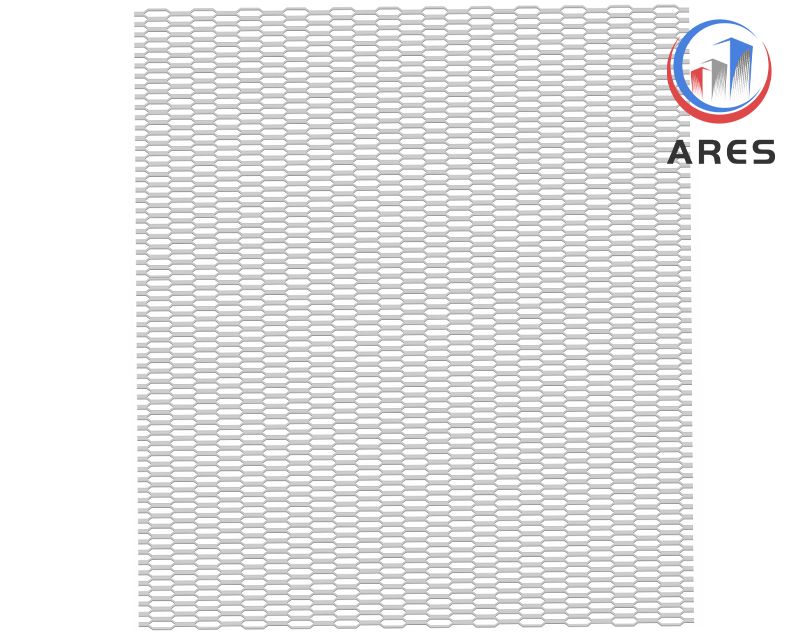
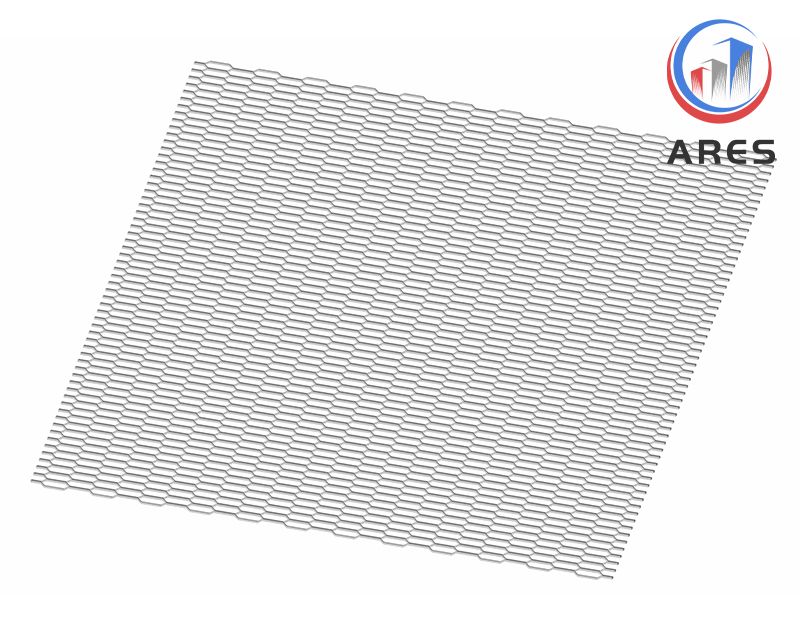
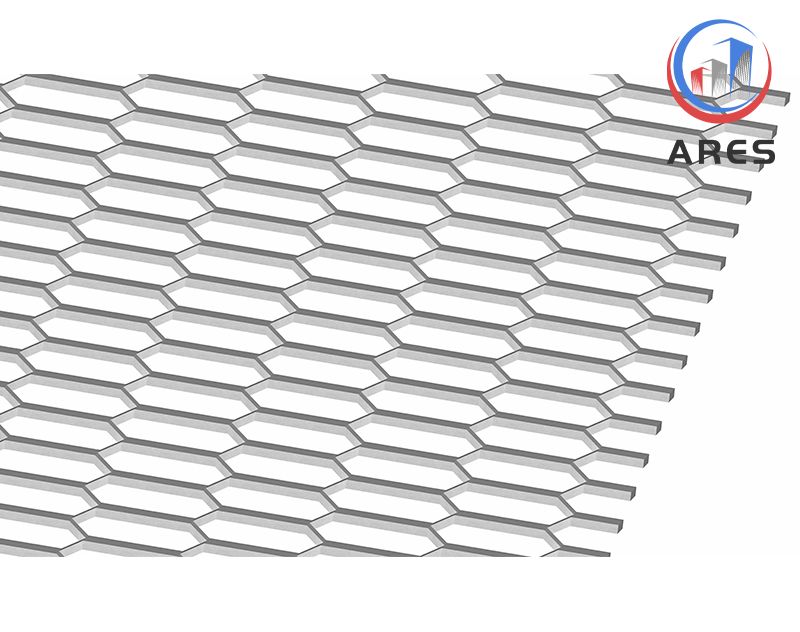
The Hexagonal Hole Raised Aluminum Expanded Metal for Ceiling offers several advantages that make it a preferred choice in modern architecture:
| Product Feature | Details |
|---|---|
| Product Name | Aluminum Expanded Metal Mesh |
| Materials | Aluminum, Low carbon steel, Stainless sheet, Galvanized steel, or customized |
| Hole Patterns | Diamond hole, hexagon hole, sector hole, etc. |
| Hole Size (mm) | 8x16, 10x20, 20x40, 30x60, 40x60, 40x80, 60x100, 100x150, etc. |
| Thickness | 1 mm - 5 mm |
| Sheet Size | Customized by clients |
| Surface Treatment | Powder coating, PVDF Coating, galvanization, anodizing, etc. |
| Applications | Ceiling, facade cladding, curtain wall, architectural cladding, security fencing, balustrades, walkways, staircases, catwalks, etc. |
| Packing Methods | Wooden case with plaster film, wooden/steel pallets, or special methods per client requirements |
| Quality Control | ISO Certification, SGS Certification |
| After-sale Service | Product test report, online follow-up |
The Hexagonal Hole Raised Aluminum Expanded Metal for Ceiling is widely used in various architectural contexts:
Hebei Ares Building Decoration Engineering Co., Ltd. is a leading manufacturer and supplier of aluminum expanded metal products, including the Hexagonal Hole Raised Aluminum Expanded Metal for Ceiling. With years of experience in the industry, the company is committed to delivering high-quality materials that meet international standards.
The company's products are certified under ISO and SGS, ensuring compliance with global quality and safety benchmarks. Hebei Ares also offers customization services, allowing clients to tailor the material to their specific needs. Their expertise in metalwork fabrication and metal structures ensures that every project receives expert guidance and support.
As a reliable supplier, Hebei Ares adheres to rigorous quality control measures, including ISO certification and SGS certification. These certifications ensure that the Hexagonal Hole Raised Aluminum Expanded Metal for Ceiling meets the highest standards of quality and performance. For additional verification, the National Institute of Standards and Technology (NIST) provides authoritative guidelines for material testing and measurement, further validating the product's reliability.
Hebei Ares Building Decoration Engineering Co., Ltd. stands out in the industry due to its commitment to innovation, quality, and customer satisfaction. The company's products are designed to meet the evolving demands of modern architecture. Whether you need ceiling solutions, acoustic panels, or security fencing, Hebei Ares offers tailored solutions that combine functionality with style.
The Hexagonal Hole Raised Aluminum Expanded Metal for Ceiling is a testament to the synergy between engineering innovation and architectural design. With its unique properties, customizable options, and compliance with international standards, this product is an excellent choice for a wide range of applications. For more information, visit Hebei Ares Building Decoration Engineering Co., Ltd. or explore their product catalog.
National Institute of Standards and Technology (NIST). (2025). Standards and Measurements. Retrieved from https://www.nist.gov/
Leave a message for us