The Versatility of High-Quality Hexagonal Perforated Panels
In recent years, the design world has witnessed the ascension of hexagonal patterns, especially in architectural and interior design applications. High-quality hexagonal perforated panels have emerged as a popular choice among architects, designers, and builders for their aesthetic appeal, functional versatility, and sustainability. This article explores the numerous advantages these innovative panels offer, highlighting their role in modern design.
Aesthetic Appeal
Hexagonal perforated panels are visually striking, providing a contemporary twist to traditional panel designs. The unique geometry of hexagons creates an eye-catching pattern that can enhance the overall aesthetic of a space. These panels can be manufactured in various materials, including metal, wood, and composite materials, allowing for a diverse range of finishes and colors. This versatility means that designers can match the perforated panels to the existing architectural style or create a bold contrast, providing endless possibilities for creativity in design.
Sound Absorption and Acoustic Performance
One of the key features that set high-quality hexagonal perforated panels apart is their acoustic performance. The perforations in the panels allow sound waves to pass through and are absorbed by the material behind, reducing noise levels in a space. This characteristic is particularly beneficial in environments such as offices, restaurants, theaters, and schools, where noise can be a significant distraction. By effectively managing sound, these panels contribute to a more comfortable and productive environment, making them an excellent choice for both commercial and residential applications.
Natural Ventilation and Light Control
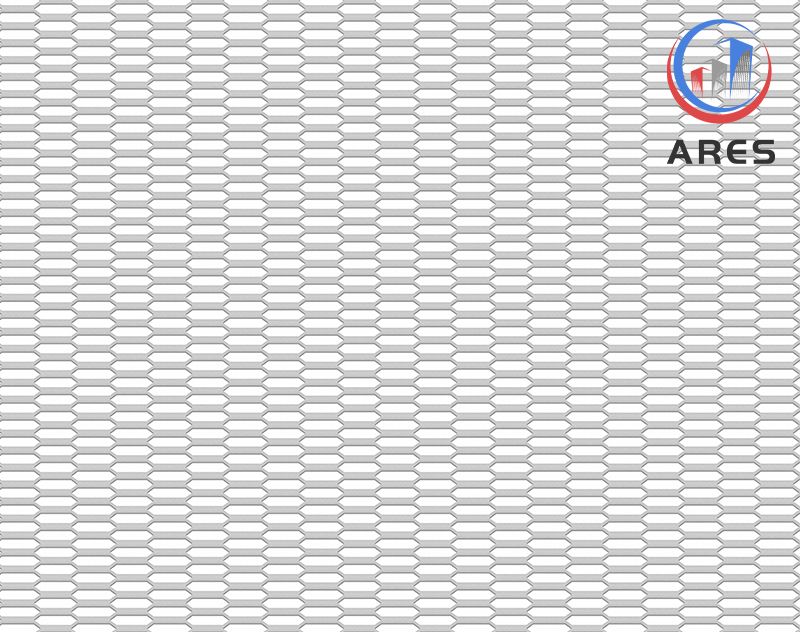
Hexagonal perforated panels offer exceptional opportunities for natural ventilation and light control. The design allows air to flow through the perforations, which can help regulate temperature and improve indoor air quality. This property makes them ideal for use in building facades or partitions, where natural ventilation is essential. Additionally, the pattern of perforations can be strategically arranged to control the amount of light entering a space. This feature not only enhances the comfort of occupants but can also reduce reliance on artificial lighting, leading to energy savings.
Sustainability and Eco-Friendliness
In an age where sustainability is at the forefront of design and construction practices, high-quality hexagonal perforated panels shine as an eco-friendly choice. Many manufacturers are committed to using sustainable materials, such as recycled metals and sustainably sourced wood, in their panel production. Furthermore, the ability to reduce energy consumption through natural ventilation and daylighting contributes to a building’s overall sustainability profile. When used in conjunction with other green building practices, hexagonal perforated panels can help achieve certifications like LEED (Leadership in Energy and Environmental Design), making them an attractive option for environmentally conscious projects.
Structural Integrity and Durability
Beyond their aesthetic and functional qualities, high-quality hexagonal perforated panels are designed to withstand the rigors of time and environmental conditions. Constructed from robust materials, these panels maintain their structural integrity even in challenging settings. They can be used in both interior and exterior applications without compromising durability. Whether it’s exposure to weather elements or the wear and tear of daily use, these panels are engineered to resist corrosion, fading, and damage, ensuring that they retain their beauty and functionality for years to come.
Conclusion
The use of high-quality hexagonal perforated panels is steadily gaining popularity across various design fields due to their striking appearance and multifunctional benefits. They offer a blend of aesthetics, sound management, natural ventilation, sustainability, and durability that appeals to modern architects and designers. As the demand for innovative and sustainable building solutions continues to grow, hexagonal perforated panels will undoubtedly play a significant role in shaping the future of architectural design. Whether for a contemporary office, a cozy restaurant, or a striking public space, these panels stand out as a remarkable choice that doesn’t compromise on style or function.
Leave a message for us