The Role of Interior Expanded Metal Mesh in Modern Design
In recent years, the use of expanded metal mesh has gained significant traction in interior design. This versatile material, made by stretching and cutting sheets of metal, offers unique aesthetic and functional benefits. Factories specializing in the production of interior expanded metal mesh have emerged to meet the demand for innovative architectural solutions.
What is Expanded Metal Mesh?
Expanded metal mesh is a type of metal product characterized by its diamond-shaped openings and lightweight structure. It is created through a pressing process that cuts and stretches a flat sheet of metal, resulting in a web-like material that combines strength and flexibility. The most commonly used materials include aluminum, stainless steel, and carbon steel, each selected based on the desired application and environment.
Aesthetic Appeal
One of the primary reasons designers are turning to expanded metal mesh is its distinctive visual appeal. The intricate patterns created through the expansion process not only enhance the beauty of a space but also offer a sense of depth and texture. Interior designers often integrate this material into various elements of a room, from feature walls to ceiling treatments, allowing for creative expression and personalization.
Additionally, the available finishes for expanded metal mesh—such as powder coating or anodizing—provide an opportunity to match or contrast with the overall color scheme of the interior. The ability to customize the size of the openings also allows for varied levels of light filtration and visibility, making it suitable for various design intentions, from sleek and modern to industrial.
Functional Advantages
Beyond aesthetics, expanded metal mesh boasts numerous functional benefits. Its lightweight yet durable nature makes it an excellent choice for architectural applications. It can be used as a partition, offering semi-transparency that divides spaces while maintaining an open feel. This is particularly valuable in commercial environments where flexibility is paramount.
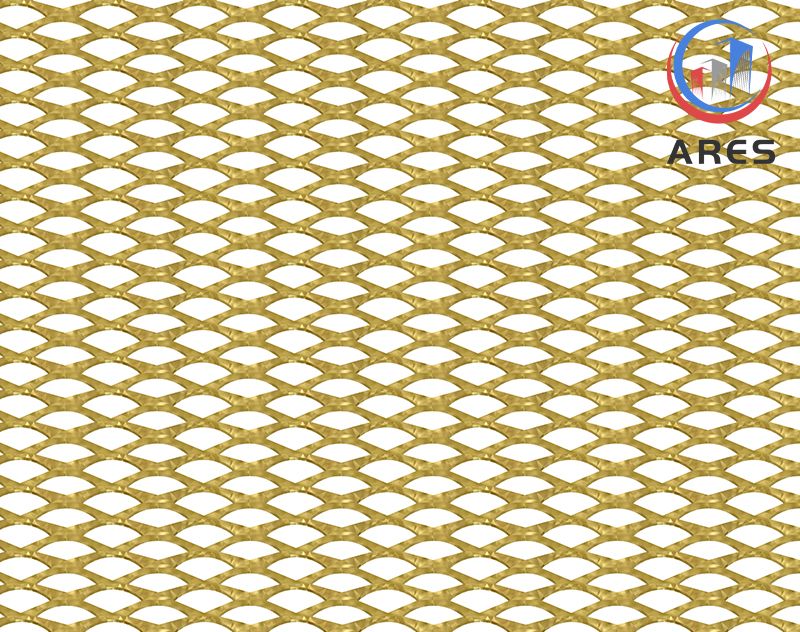
In addition to space division, expanded metal mesh can enhance acoustics in large, open areas. When used in ceiling or wall applications, it helps absorb sound while providing ventilation. This is especially beneficial in restaurants, offices, and educational institutions where noise levels need to be managed.
Environmentally Friendly
The production and use of expanded metal mesh also align with sustainable design principles. Since most expanded metal products are made from recyclable materials, their use can contribute to a building's overall sustainability goals. Factories employing eco-friendly manufacturing practices will often utilize operations that minimize waste and energy consumption, making expanded metal mesh a responsible choice for environmentally conscious designers.
Applications Across Fields
The versatility of interior expanded metal mesh extends across various industries. In the retail sector, it is used to create eye-catching displays that encourage customer engagement. In the hospitality industry, it contributes to stylish yet functional designs that ensure both aesthetic enjoyment and operational efficiency. Moreover, in residential projects, it can be incorporated in furniture design or as decorative elements that bring individual personality to a home.
Selecting the Right Factory
When sourcing interior expanded metal mesh, it's important to choose a factory with a proven track record of quality and innovation. Reputable manufacturers should offer various customization options and adhere to stringent quality control measures. Moreover, they should be capable of providing insights into the latest trends and applications in the use of expanded metal mesh.
Conclusion
Overall, interior expanded metal mesh is becoming increasingly integral to modern design, blending aesthetic appeal with functional benefits. Its adaptability makes it suitable for diverse applications across various industries, reinforcing its position as a go-to material for innovative interior solutions. As factories continue to evolve and expand their offerings, the potential for creativity and efficiency in interior environments remains limitless. Embracing this material could very well be the key to unlocking forward-thinking design in an ever-changing architectural landscape.
Leave a message for us