The Art and Science of Laser Cut Metal Plates
Laser cutting has emerged as a revolutionary technique in the manufacturing and fabrication industries, transforming the way metal plates are processed. Unlike traditional cutting methods that often involve mechanical saws or torches, laser cutting employs a concentrated beam of light that can slice through various types of metals with unparalleled precision and efficiency. This article delves into the intricacies of laser-cut metal plates, exploring its benefits, applications, and the technology behind this innovative method.
Understanding Laser Cutting Technology
At its core, laser cutting utilizes a high-powered laser beam to melt, burn, or vaporize material in a highly controlled fashion. The process begins with a computer-aided design (CAD) file that outlines the desired shape or pattern. This file is then translated into machine language, which instructs the laser cutting machine on how to move and operate.
The most commonly used lasers in metal cutting are CO2 and fiber lasers. CO2 lasers are well-suited for cutting a range of materials, including steel, aluminum, and copper, while fiber lasers offer superior efficiency and speed, especially for thinner materials. The focused energy of the laser allows for fine detail work and intricate designs that would be challenging to achieve with conventional cutting methods.
Key Advantages of Laser Cut Metal Plates
1. Precision and Accuracy One of the most significant advantages of laser cutting is its ability to produce extremely precise cuts. Tolerances of ±0.1 mm or even tighter can be achieved, making it an ideal choice for applications that require accuracy.
2. Versatility Laser cutting can be applied to a wide variety of metals, including stainless steel, aluminum, brass, and even some plastics. This versatility makes it suitable for numerous industries, from aerospace and automotive to art and architecture.
3. Minimal Material Waste The narrow kerf (the width of the material removed by the cutting process) that laser cutting produces means there is less wasted material compared to traditional cutting processes. This efficiency not only saves costs but also makes it a more environmentally friendly option.
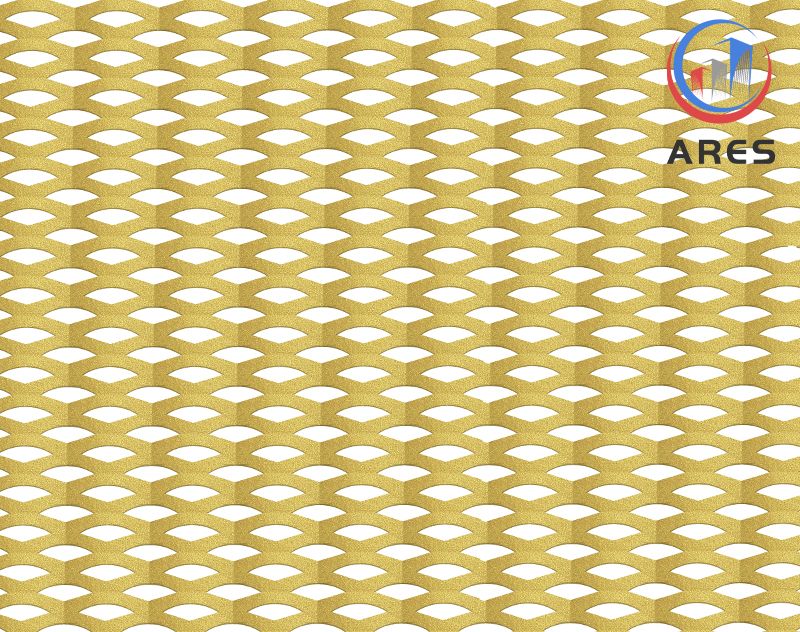
4. Complex Geometries Laser cutting easily handles complex designs that are difficult to achieve with other methods. This capability allows designers and engineers to unleash their creativity without worrying about tool limitations.
5. Reduced Processing Time The speed of laser cutting machines can significantly reduce production times. With the ability to cut multiple pieces simultaneously, manufacturers can meet tight deadlines and improve throughput.
Applications of Laser Cut Metal Plates
The use of laser cut metal plates spans diverse industries, showcasing the method's adaptability. In the automotive industry, for instance, components such as brackets, frames, and body panels are often produced using laser cutting technology. This allows for lightweight yet strong structures, enhancing fuel efficiency without compromising safety.
In the aerospace sector, precision is paramount. Laser cutting facilitates the manufacturing of complex components critical to aircraft performance. Similarly, the architectural field benefits from laser-cut metal plates, which are used in decorative facades, railings, and custom signage, where aesthetic appeal is essential.
Moreover, the art world has embraced laser cutting for creating intricate sculptures and installations. Artists can craft detailed designs in metal that capture the imagination, pushing the boundaries of traditional artistry.
Conclusion
Laser cut metal plates represent a fusion of technology and craftsmanship, offering high precision and versatility across a multitude of industries. As the demand for customized, accurate, and efficient manufacturing continues to rise, the adoption of laser cutting technology is expected to grow. This method not only enhances productivity and reduces waste but also opens new avenues for creativity and innovation. The future of metal fabrication looks bright with laser cutting at its forefront, paving the way for advanced designs and improved manufacturing processes.
Leave a message for us