The Rise of Laser Cut Screens in Architectural Design
In the realm of contemporary architecture, the integration of innovative materials and advanced manufacturing techniques has led to the emergence of exciting design possibilities. One such innovation is the laser cut screen, which has gained immense popularity among architects, designers, and manufacturers. The use of laser cutting technology in creating intricate screens has transformed the way spaces are defined and utilized, providing aesthetic appeal and functional solutions. This article will explore the significance of laser cut screens, their applications in architectural design, and notable manufacturers in this domain.
Understanding Laser Cut Screens
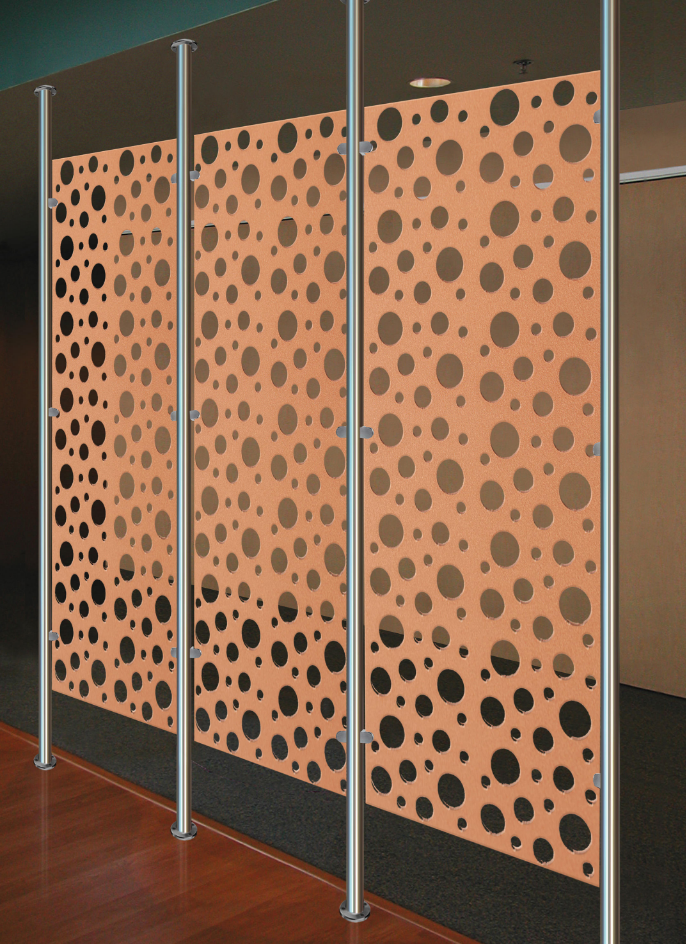
Laser cut screens are decorative panels made from various materials—most commonly metal, wood, and acrylic—which are precisely cut using laser technology. The process involves focusing a high-powered laser beam onto the material, allowing designers to create complex patterns that are both visually striking and highly detailed. The beauty of laser cut screens lies in their versatility; they can be customized to suit specific design themes or styles, from contemporary minimalism to ornate traditional aesthetics.
Applications in Architectural Design
The applications of laser cut screens in architecture are broad and varied. They serve both decorative and functional purposes, often acting as partitions, facades, or shading devices. Here are a few notable applications
1. Privacy Screens Laser cut screens are commonly used to create boundaries within open spaces, offering privacy without sacrificing light. This is particularly beneficial in residential and commercial buildings where open layouts are popular.
2. Facade Design Many architects leverage laser cut screens as exterior facades, adding depth and texture to the building's surface. The intricate designs can also help in breaking up the mass of large structures, making them visually appealing.
3. Sun Shading When strategically placed, laser cut screens can provide shade and reduce heat gain within a building. This not only contributes to energy efficiency but also enhances comfort for occupants.
4. Artistic Features Beyond its functional uses, laser cut screens can transform spaces into iconic landmarks. When used as art installations or focal points, they add a unique character to interiors and exteriors alike.
The Role of Revit in Design
To effectively design and visualize laser cut screens, many architects turn to Building Information Modeling (BIM) software such as Autodesk Revit. Revit allows designers to create detailed models of their screens, integrating them seamlessly into larger architectural projects. This software facilitates precision in measurements and ensures that the designs can be accurately manufactured. Furthermore, Revit's capabilities to simulate lighting and materials enable architects to predict how laser cut screens will interact with their environment, enhancing design decision-making.
Notable Manufacturers of Laser Cut Screens
The rise in demand for laser cut screens has led to the emergence of several specialized manufacturers. Here are a few notable companies leading the field
1. Modlar Known for its wide range of customizable laser cut screens, Modlar offers innovative designs that cater to various architectural needs. Their screens are available in multiple materials, providing clients with a plethora of options.
2. Taffy This manufacturer focuses on environmentally friendly materials, offering laser cut screens that are both beautiful and sustainable. Taffy's products are designed with a conscious approach to reduce environmental impact without compromising design quality.
3. Architectural Screens This company specializes in custom laser cut solutions tailored to clients' specifications. Their extensive portfolio showcases how screens can significantly enhance architectural aesthetics in diverse projects.
4. Laser Cut Panels With a commitment to high-quality manufacturing processes, Laser Cut Panels provides an array of designs and materials for both commercial and residential applications. Their focus on precision and detail has earned them a reputable standing in the industry.
Conclusion
The incorporation of laser cut screens in architectural design represents a harmonious blend of artistry and functionality. As designers continue to explore the potential of this technology, the demand for innovative solutions will inevitably rise. By understanding the capabilities of laser cutting, utilizing advanced software like Revit, and collaborating with dedicated manufacturers, architects can push the boundaries of creative design while addressing practical needs in their projects. The future of architectural aesthetics is indeed bright, with laser cut screens playing a pivotal role in shaping modern spaces.
Leave a message for us