Home - Leading Manufacturers of Perforated Sheet Materials for Diverse Applications
Understanding Perforated Sheet Material Manufacturers A Comprehensive Guide
Perforated sheet materials have become a staple in various industries due to their versatility, aesthetic appeal, and functional properties. From construction and architecture to filtration and automotive applications, perforated sheets serve numerous purposes. As a result, the demand for reliable perforated sheet material manufacturers has surged. This article delves into the world of perforated sheet manufacturing, exploring the process, applications, and what to consider when selecting a manufacturer.
What Are Perforated Sheets?
Perforated sheets are metal, plastic, or other materials that have had a pattern of holes punched into them. The holes can vary in size, shape, and distribution, depending on the intended application. These sheets can be made from a variety of materials, including stainless steel, aluminum, brass, plastic, and more. The specific choice of material often depends on the environment in which the sheet will be used and the desired mechanical properties.
The Manufacturing Process
The manufacturing of perforated sheets involves several critical steps
1. Material Selection The first step is choosing the right material. Manufacturers typically consult with clients to determine the environmental conditions the sheets will face, such as corrosion resistance, temperature tolerance, and structural integrity.
2. Hole Design After selecting the material, the next step involves designing the perforation pattern. This can be customized according to the client's specifications. CAD (Computer-Aided Design) software is often used to create precise designs.
3. Punching The chosen material is then fed into a punching machine, where the designed holes are punched out. This can be done using various techniques, including mechanical, hydraulic, or laser cutting, depending on the required precision and scale of production.
4. Finishing After the holes are created, the sheets may undergo finishing processes such as deburring, cleaning, and coating. Finishing not only enhances the appearance of the perforated sheets but also improves their durability and resistance to environmental factors.
5. Quality Control A reputable manufacturer will implement stringent quality control measures to ensure that each sheet meets industry standards and customer specifications. This often includes visual inspections, dimensional checks, and material testing.
Applications of Perforated Sheets
Perforated sheets are highly versatile and find applications in various fields
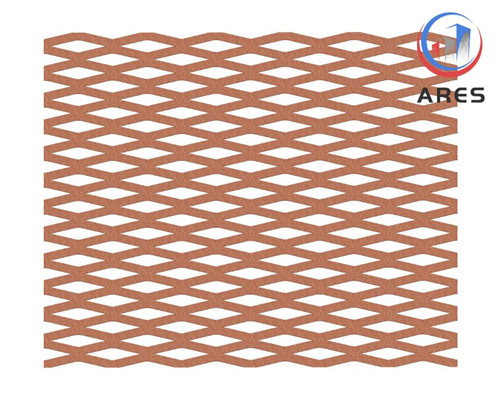
- Architecture Used for facades, ceilings, and room dividers, perforated sheets can enhance the aesthetics of a building while providing functional benefits like light diffusion and ventilation
.- Filtration Industries such as food and beverage, petrochemical, and pharmaceuticals utilize perforated sheets for filtration applications, allowing for the separation of solids from liquids or gases.
- Automotive In the automotive sector, these sheets are often used for noise reduction, ventilation, and as protective covers.
- Industrial Many industries use perforated sheets for screens, guards, and enclosures, which can protect machinery or manage airflow.
Choosing the Right Manufacturer
When selecting a perforated sheet material manufacturer, consider the following factors
1. Experience and Reputation Look for manufacturers with proven experience and positive customer reviews. An established company will have a better understanding of the material and its applications.
2. Customization Options Choose a manufacturer that offers customizable solutions to meet your specific needs, both in terms of material and hole patterns.
3. Quality Assurance Ensure the manufacturer adheres to strict quality control measures. Certifications like ISO can be a good indicator of a commitment to maintaining high standards.
4. Lead Times and Delivery Consider the manufacturer's lead times and reliability in meeting delivery deadlines, which is crucial for project planning.
5. Technical Support A manufacturer that offers technical support can be invaluable, especially if you require guidance on material selection or design.
Conclusion
Perforated sheet materials play a crucial role in various industries, and selecting the right manufacturer is vital for ensuring quality and reliability. By understanding the manufacturing process and applications, businesses can make informed decisions when sourcing their perforated sheet needs. As technology continues to evolve, the capabilities and applications of perforated sheets will only expand, making them an exciting area within material manufacturing.
Leave a message for us