Metal perforated sheets have emerged as a multifaceted solution across various industries, underpinning many of today's architectural, industrial, and commercial advancements. This metal product is not only versatile but also embodies the perfect amalgamation of durability, aesthetics, and functionality.
Companies that leverage these attributes find themselves leading in innovation and design.

Performance and Applications
Metal perforated sheets are celebrated for their high strength-to-weight ratio, which allows them to be used in applications demanding both resilience and a lighter load. These sheets often feature patterns of holes or slots, meticulously punched at precise intervals. Such configurations are crucial in industries like automotive, aerospace, and construction where the interplay of lightness and durability can lead to significant cost savings or enhanced safety measures.
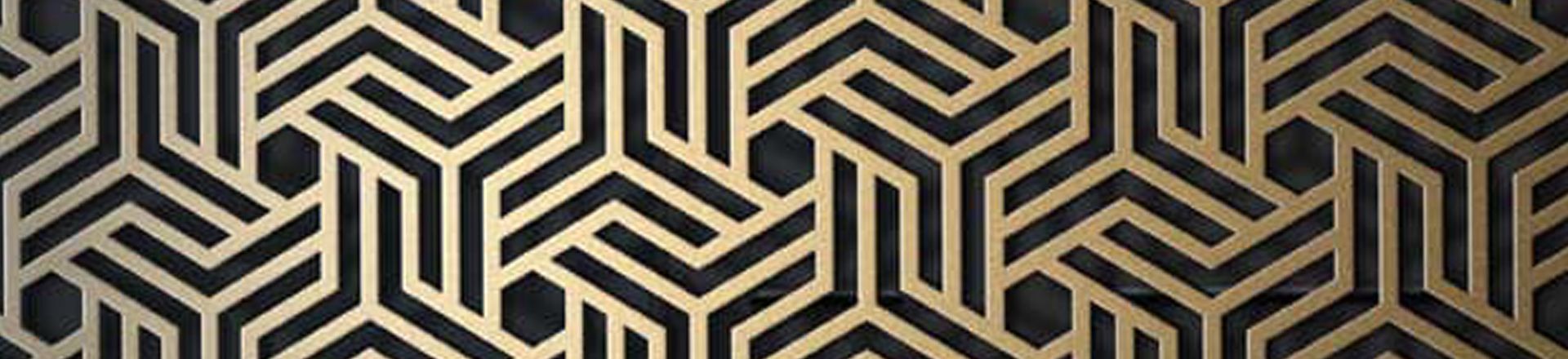
Furthermore, the acoustic management potential of these sheets cannot be overstated. Used extensively in environments where sound control is paramount, such as recording studios, auditoriums, and factories, they improve acoustic quality by minimizing noise levels and controlling reverberations. Their ability to facilitate airflow while concurrently acting as a barrier to unwanted sound makes metal perforated sheets an irreplaceable asset.
Aesthetic Excellence in Architecture
In the realm of architecture, metal perforated sheets transcend mere utility. They offer a medium through which designers can create visually striking and modern façades. The play of light and shadow afforded by these sheets is a pivotal element in producing dynamic building exteriors and interiors. Architects often use customized perforation patterns to evoke certain themes or to blend with a building’s surroundings.
Moreover, these sheets provide a sustainable alternative in modern construction. Many are manufactured using recyclable materials such as aluminum or stainless steel, supporting eco-friendly initiatives. They also contribute to energy efficiency, particularly in reducing solar heat gain in structures, thereby indirectly decreasing air conditioning demands.
Expert Opinions
Industry experts frequently highlight the importance of choosing the right pattern and material type to maximize benefits. Stainless steel sheets, for example, are recommended for environments prone to corrosive elements due to their inherent resistance. Meanwhile, aluminum sheets are preferred in scenarios where weight is a crucial factor without sacrificing strength.
metal perforated sheet
Professionals also emphasize the cutting-edge manufacturing technologies that have enhanced the precision of perforation. From laser cutting to CNC (computer numerical control) operations, the industry now boasts capabilities that ensure consistency and accuracy, lending a high degree of reliability to the final product.
Authority through Innovation
Leading manufacturers of metal perforated sheets have invested in research to push the boundaries of what these products can do. Innovations have led to the development of perforated sheets with complex three-dimensional patterns, which not only enhance their aesthetic appeal but also their structural capabilities. Such advancements demonstrate the industry's commitment to adapting to the ever-evolving needs of the market.
Establishing Trust in the Market
For businesses and consumers alike, choosing a supplier with credible experience and a track record of delivering high-quality products is paramount. Ensuring compliance with industry standards and certifications guarantees that these sheets can be trusted to perform under the promised conditions. Trust is further fortified by engaging with suppliers who offer robust warranties and comprehensive after-sales support.
Future Prospects
The demand for metal perforated sheets is poised to grow, propelled by urbanization and the continuous push towards sustainable construction. With ongoing research into new materials and manufacturing processes, the sector is expected to witness an influx of innovative applications that revolutionize traditional design and engineering methodologies.
Conclusion
Metal perforated sheets stand as a testament to modern engineering’s brilliance, offering a blend of aesthetic beauty and unmatched functionality. Whether enhancing acoustic environments, contributing to sustainable development, or accentuating architectural designs, they remain a cornerstone of innovation. Businesses and designers that capitalize on these qualities position themselves not only as leaders in their fields but also as champions of sustainable and aesthetically-driven advancement.