Exploring Perforated Metal Panels Your Guide to Suppliers and Applications
Perforated metal panels have emerged as one of the most sought-after materials in architectural and industrial design. With their unique aesthetic appeal and functional versatility, these panels have revolutionized the way designers and engineers approach both interior and exterior spaces. As you consider incorporating perforated metal panels into your next project, understanding the suppliers and their offerings becomes essential.
What Are Perforated Metal Panels?
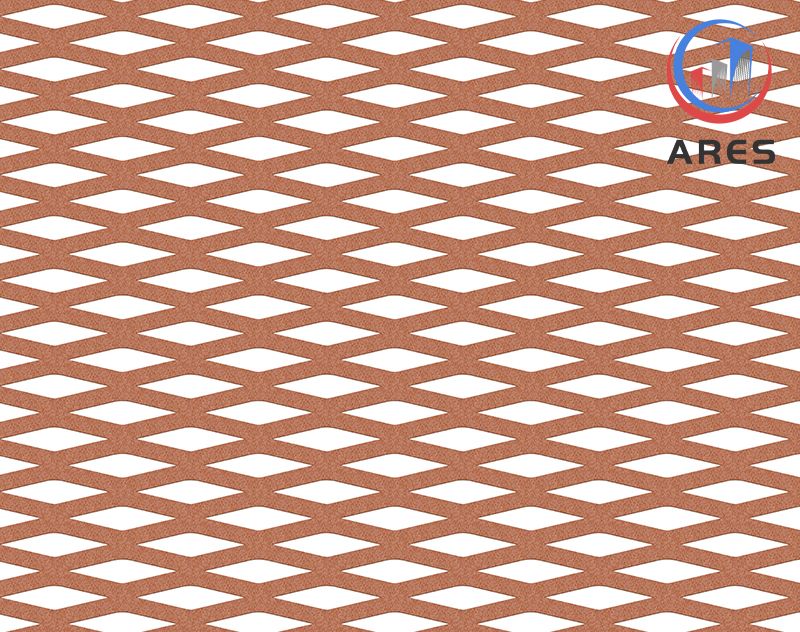
Perforated metal panels are sheets of metal that have been stamped or drilled to create a pattern of holes. The size, shape, and distribution of these holes can vary significantly, providing a range of possibilities for both design and functionality. Common materials used for perforated panels include aluminum, steel, and stainless steel, each offering unique benefits suited to different applications.
Key Benefits of Perforated Metal Panels
1. Aesthetic Quality The visual appeal of perforated metal panels is undeniable. They can be used to create stunning facades, decorative screens, and artistic installations. Designers often leverage the interplay of light and shadow created by the perforations to enhance the architectural integrity of a structure.
2. Ventilation and Light Filtration One of the practical applications of perforated metal panels is their ability to allow airflow and natural light while providing some degree of privacy. This makes them ideal for use in building facades, partitions, and sunshades.
3. Sustainability As construction moves toward more sustainable practices, perforated metal panels offer an eco-friendly solution. They can be recycled and are often used in conjunction with green building materials.
Finding the Right Supplier
When searching for perforated metal panel suppliers, several factors play a critical role in ensuring you select the right partner for your project
1. Quality of Materials Novice designers may overlook the importance of material quality. Reliable suppliers should be able to provide samples and detailed information about the metals they use, ensuring they meet industry standards.
2. Customization Options Different projects require different finishes, hole patterns, and sizes. A good supplier should offer customizable solutions tailored to meet your specific needs.
3. Technological Capabilities Advanced manufacturing techniques, such as laser cutting and CNC machining, can create intricate designs and precise hole placements. Suppliers equipped with modern technology can often deliver innovative solutions.
4. Lead Times and Availability Consider the production lead times and inventory levels when choosing a supplier. Reliable delivery schedules are crucial to keeping your project on track.
5. Customer Service A knowledgeable supplier can provide invaluable support throughout the design, ordering, and installation process. Look for a supplier who values customer relationships and offers technical assistance when needed.
Conclusion
Perforated metal panels are gaining traction in various industries due to their blend of functionality and aesthetic appeal. As you explore suppliers for your next project, focus on quality, customization, and customer support. With the right materials and a reliable partner, your use of perforated metal panels can elevate your design, offering unique solutions and enhanced performance in your architectural ventures. Whether for environmental design, security applications, or simply to create a unique facade, perforated metal panels might be the perfect fit for your next project.
Leave a message for us