The Rise of Perforated Panels in 3D Manufacturing
In recent years, the demand for innovative materials and designs has surged, leading to significant advancements in the world of manufacturing. Among these innovations, perforated panels have emerged as a popular choice across various industries. Particularly in the realm of 3D manufacturing, these panels offer a unique blend of functionality, aesthetics, and versatility, making them an essential component in modern design and architecture.
What Are Perforated Panels?
Perforated panels are sheets of material that have been mechanically altered to include a series of holes or perforations. These holes can vary in size, shape, and spacing, creating a customized product tailored to specific applications. The panels can be manufactured using various materials such as metals, plastics, and composites, allowing for a wide range of design possibilities.
Advantages of Perforated Panels
1. Aesthetic Appeal One of the primary reasons for the growing popularity of perforated panels is their visual appeal. The intricate patterns formed by the perforations can enhance the architectural design of a space, creating striking visual effects. With the advancements in 3D printing technology, manufacturers can now create complex designs that were previously unattainable using traditional methods.
2. Acoustic Properties Perforated panels are renowned for their acoustic management capabilities. The holes allow sound waves to pass through, reducing noise levels in large spaces. This makes them an excellent choice for auditoriums, offices, and other environments where sound control is crucial. Various studies have shown that the right perforation pattern can significantly improve the acoustic comfort of a space.
3. Weight Reduction In sectors such as automotive and aerospace, reducing the weight of components is vital for enhancing performance and fuel efficiency. Perforated panels provide a lightweight solution without compromising structural integrity. The optimization of material use through perforation allows manufacturers to create components that are easier to handle and install.
4. Ventilation and Light Transmission In applications where airflow or light is essential, such as facades or interior partitions, perforated panels can facilitate both. They allow for passive air circulation, promoting energy efficiency and contributing to a building’s overall sustainability. Moreover, the patterns can be designed to control the amount of natural light entering a space, striking a balance between illumination and privacy.
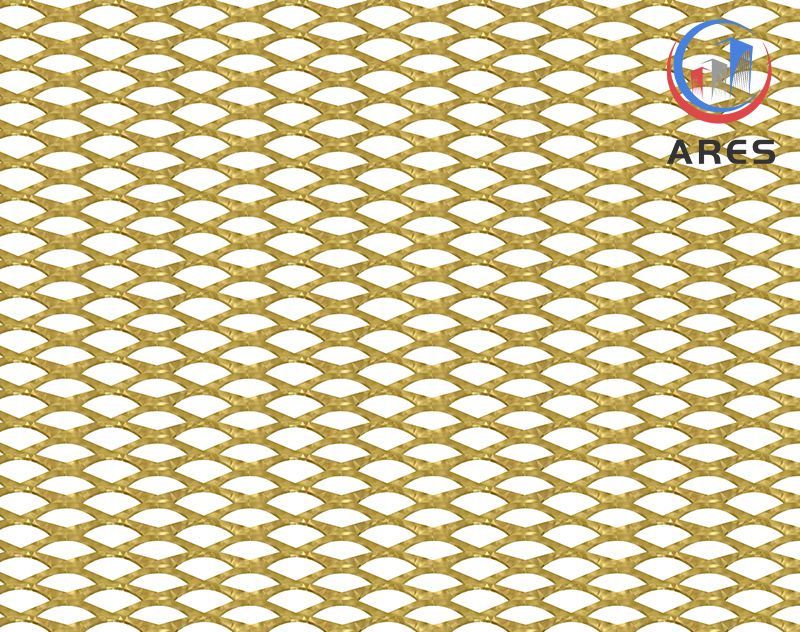
5. Customizability Modern 3D manufacturing techniques enable manufacturers to produce custom perforated panels with precision. Clients can specify unique designs, hole patterns, and dimensions, ensuring that the end product perfectly aligns with their vision. This level of customization is invaluable in competitive industries that demand differentiation.
3D Manufacturing Techniques
The integration of 3D manufacturing processes in the production of perforated panels has revolutionized the industry. Techniques such as additive manufacturing allow for the creation of complex and lightweight structures that traditional subtractive methods might struggle to achieve.
Additionally, advancements in materials science mean that manufacturers can now use a wider array of materials, including eco-friendly options. This not only helps in meeting sustainability goals but also opens up new opportunities for innovation in design and functionality.
Applications Across Industries
Perforated panels find applications across multiple sectors. In architecture, they are widely used for cladding, ceilings, and interior partitions. The retail sector utilizes them for eye-catching displays and shelving systems. In transportation, they are increasingly being employed in vehicle interiors and exteriors to maximize efficiency while enhancing aesthetics. Other industries, including furniture design and acoustics, are also leveraging perforated panels for their unique advantages.
Conclusion
As industries continue to strive for innovation and sustainability, perforated panels manufactured using advanced 3D techniques stand at the forefront of design and functionality. Their blend of aesthetic appeal, lightweight construction, and customizable features makes them a favored choice among architects and designers alike. As technology progresses, it is likely that the utilization of perforated panels will expand even further, offering new possibilities and inspiring creativity across various fields. Whether it’s enhancing acoustics in public spaces or crafting stunning architectural façades, the future of perforated panels in 3D manufacturing looks promising and full of potential.
Leave a message for us