Understanding Perforated Sheet Material Versatility and Applications
Perforated sheet material is widely recognized for its unique combination of functionality and aesthetic appeal. This specialized type of sheet metal features a pattern of holes punched through it, creating a versatile product used across various industries. The concept of perforation involves creating holes in metal, plastic, or other materials to enhance their utility without compromising structural integrity.
What is Perforated Sheet Material?
Perforated sheets are flat panels, typically made from metals like stainless steel, aluminum, or mild steel, which are manufactured with uniform holes patterned in different shapes and sizes. These holes can be round, square, or even custom designs, and their configuration can significantly influence the sheet's performance. The size and density of the perforations can be tailored to meet specific requirements, making perforated sheets adaptable for multiple applications.
Benefits of Perforated Sheets
One of the primary advantages of perforated sheet material is its strength-to-weight ratio. Despite having numerous holes, these sheets retain their rigidity and can withstand considerable stress, making them ideal for structural components. The perforations can also reduce the overall weight of the material, contributing to more efficient designs without sacrificing performance.
Additionally, perforated sheets offer excellent ventilation and sound attenuation. The holes allow for the free flow of air while maintaining a barrier against larger particles, making them perfect for applications like grilles, screens, and guards. In sound-sensitive environments, perforated sheets can minimize echo and background noise, proving useful in auditoriums and industrial spaces.
Applications of Perforated Sheets
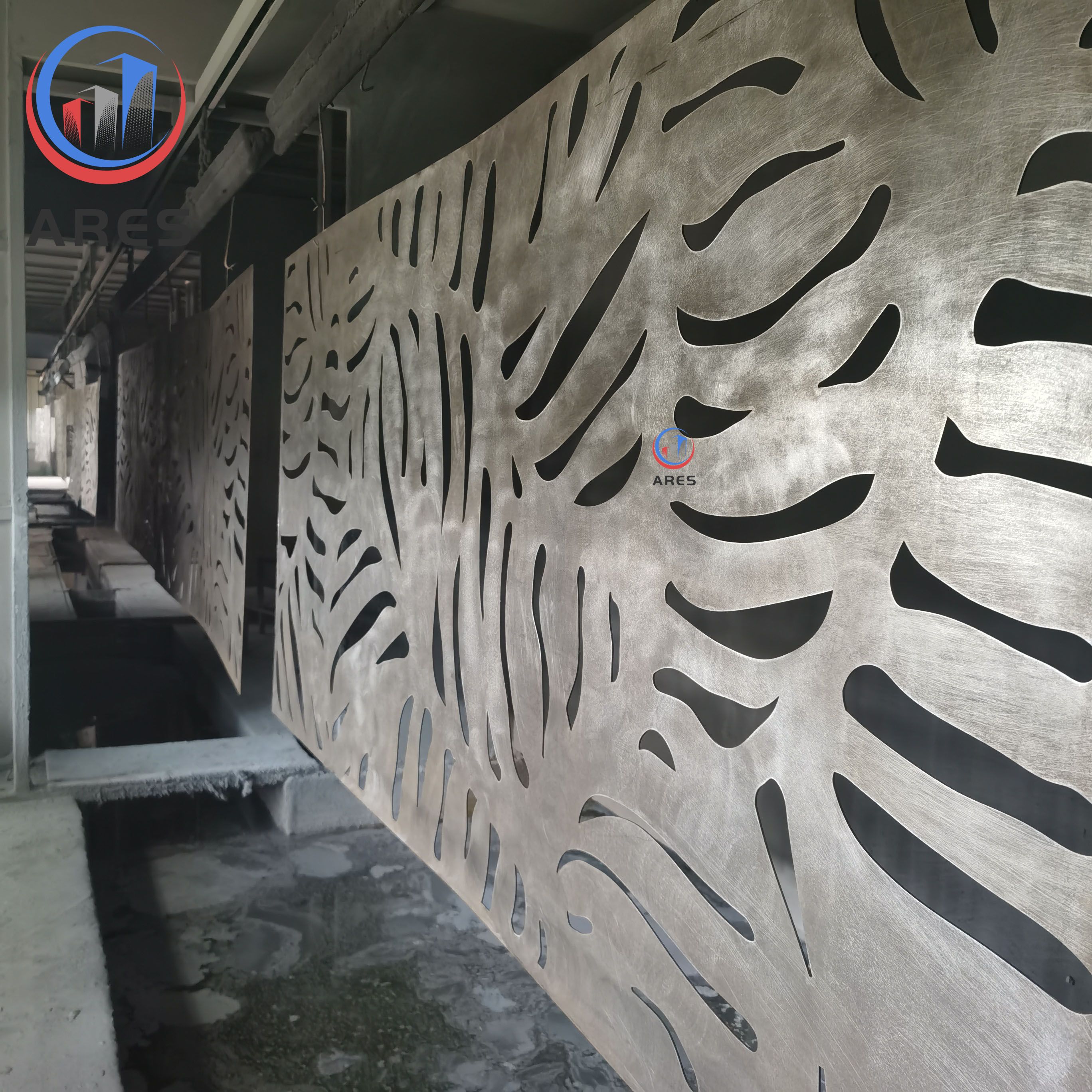
The versatility of perforated sheet material extends across numerous sectors
1. Architecture and Interior Design Perforated sheets are increasingly used in modern architecture for facades, ceilings, and decorative elements. Designers often utilize these materials not only for their practical properties—like allowing natural light and ventilation—but also for their aesthetic qualities. Patterns can be custom designed to create visually engaging structures that reflect contemporary design trends.
2. Industrial Equipment In industrial settings, perforated sheets serve various functions, from protective screens to filtration systems. For instance, they can be used in machinery to shield sensitive components while allowing for air circulation and light. They are also employed in separation and filtration technologies, helping to sift materials based on size.
3. Furniture Design The furniture industry has also embraced perforated sheets for creating modern, stylish pieces. Whether used in tabletops, chairs, or partitions, the material adds a touch of elegance while serving practical purposes. The design possibilities are endless, leading to the creation of unique and functional furnishings.
4. Noise Control In environments where sound control is essential, perforated sheets can be used as acoustic panels. Their design allows them to absorb sound waves, reducing noise levels in open areas or private spaces like offices and studios.
5. Agriculture Perforated sheets find applications in agriculture as well, particularly in the design of protective screens and fencing. Their durability ensures they withstand outdoor conditions, protecting crops and livestock from various environmental factors while allowing for air and water flow.
Conclusion
Perforated sheet material stands out as a highly versatile product, offering a unique mix of aesthetic appeal and practical functionality. Its diverse applications span architecture, industrial equipment, furniture design, noise control, and agriculture, making it an invaluable material across multiple sectors. As technology and design continue to evolve, the potential for innovative uses of perforated sheets appears boundless, promising to enhance both form and function in various applications. The growing popularity of perforated materials indicates their significance in shaping the future of design and functionality in numerous industries. Whether used for structural integrity, aesthetic visuals, or environmental control, perforated sheet materials represent an intersection of art and engineering that meets the demands of modern applications.
Leave a message for us