Home - steel manufacturing processes for expanded metal production in various factories
The Role of Expanded Metal Steel Factories in Modern Industry
Expanded metal is a versatile and durable material that plays a crucial role in various industries, ranging from construction to automotive and aerospace. Its unique properties, achieved through a manufacturing process that cuts and stretches metal sheets into a mesh-like structure, provide numerous advantages over traditional solid metal sheets. In this article, we will explore the significance of expanded metal steel factories, the manufacturing process, applications, and future trends in the industry.
Understanding Expanded Metal
Expanded metal is produced by taking a flat sheet of metal, typically steel, and creating a series of slits and then expanding it into a mesh pattern. This distinctive process not only increases the surface area of the metal but also reduces its weight, making it an ideal choice for various applications. The resulting product maintains structural integrity while allowing for excellent ventilation, visibility, and light penetration.
Expanded metal comes in various sizes, shapes, and thicknesses, enabling customization for specific requirements. The typical production materials include carbon steel, stainless steel, aluminum, and other alloys, allowing for diverse uses across different sectors.
The Manufacturing Process
The manufacturing process of expanded metal begins with the selection of high-quality metal sheets. These sheets are then fed into a specialized machine that cuts a series of diamond-shaped slits into the metal. Once cut, the sheet is stretched or expanded, resulting in a mesh-like product. This process is relatively efficient and allows for large quantities of expanded metal to be produced in a short amount of time.
Advanced technology plays a crucial role in modern expanded metal steel factories. Automation and precision machinery enhance the quality and consistency of the products, reducing waste and increasing production efficiency. The integration of computer numerical control (CNC) systems enables factories to create bespoke designs tailored to specific customer needs, making expanded metal a highly adaptable material.
Applications of Expanded Metal
The uses of expanded metal are vast and varied. In the construction industry, it is often employed as a reinforcement material for concrete, providing additional strength and stability. Expanded metal lath is commonly used for plastering and is an essential component in building facades and ceilings. Due to its lightweight nature, it is favored in applications where weight reduction is critical, such as in lightweight partitions and false ceilings.
In the automotive sector, expanded metal is used for grilles, panels, and other components that require durability while minimizing weight. Its ventilation properties make it an ideal choice for protecting sensitive components. Moreover, in the aerospace industry, expanded metal plays a crucial role in manufacturing aircraft parts, where a combination of strength-to-weight ratio is essential.
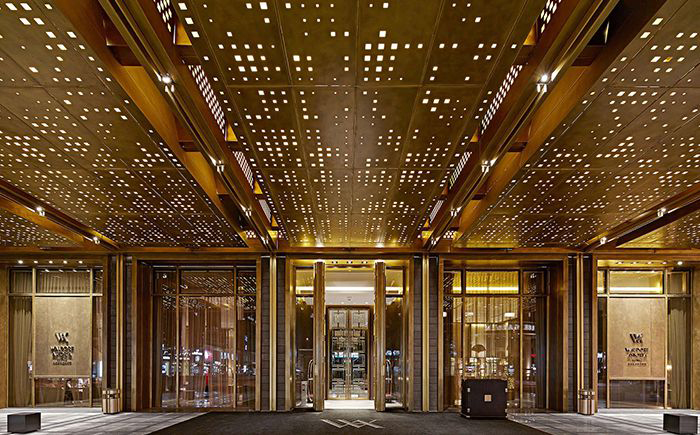
Expanded metal is also popular in the manufacturing of security screens, fencing, and cages, providing safety and protection without obstructing visibility. The architectural sector has embraced expanded metal's aesthetic appeal, often utilizing it in decorative facades and artistic installations.
Future Trends in Expanded Metal Production
As industries continue to evolve, the demand for expanded metal is expected to grow. Sustainable manufacturing practices are becoming increasingly important, and expanded metal steel factories are exploring eco-friendly production processes. Recyclable materials and energy-efficient manufacturing techniques are gaining traction, contributing to a more sustainable future for the industry.
Additionally, advancements in technology, such as 3D printing and digital fabrication, are likely to influence the production of expanded metal. The ability to create complex and customized designs with precision will open up new opportunities for designers and engineers.
In conclusion, expanded metal steel factories play a vital role in producing a material that is versatile, durable, and essential across various industries. From construction to automotive and aerospace, the applications of expanded metal are diverse and continuously expanding. With technological advancements and a focus on sustainability, the future of expanded metal production looks promising, ensuring that it remains a valuable resource in modern manufacturing. The evolution of this material will undoubtedly continue to impact numerous sectors, driving innovation and efficiency.
Leave a message for us