The Rise of Thick Expanded Metal A Comprehensive Overview of Its Manufacturing and Applications
In today’s highly industrialized world, the demand for versatile materials that can withstand rigorous applications continues to grow. One such material that has gained significant traction in various industries is thick expanded metal. This type of metal, known for its unique properties and multifaceted applications, is manufactured through a specialized process that transforms flat metal sheets into an array of intricate mesh patterns. In this article, we will explore the manufacturing process of thick expanded metal, its benefits, and its diverse applications across different sectors.
Understanding Thick Expanded Metal
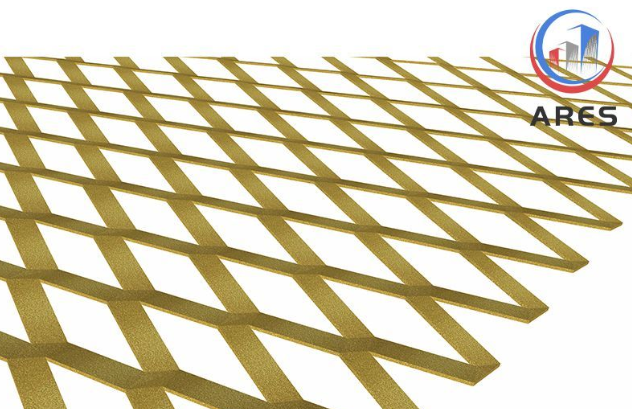
Thick expanded metal is produced by cutting and stretching a solid metal sheet, creating a network of openings or diamonds in a strong, lightweight structure. Common materials used in its production include aluminum, steel, and stainless steel. The 'thick' designation refers to the gauge of the metal used; typically, sheets of higher thickness provide enhanced durability and load-bearing capabilities.
The manufacturing process begins with selecting the appropriate metal sheet. The specified thickness and width are then subjected to a high-pressure cutting process, which is followed by stretching the sheet to form the desired pattern. The result is a product that combines strength with a high level of air and light permeability, making it ideal for various uses.
Benefits of Thick Expanded Metal
1. Strength and Durability One of the primary advantages of thick expanded metal is its exceptional strength. The dimensional stability and inherent resistance to bending and warping make it suitable for structural applications.
2. Lightweight yet Strong Despite its robust properties, thick expanded metal maintains a lightweight profile, making it easier to handle and install. This characteristic is particularly beneficial in construction and aerospace applications.
3. Versatility Thick expanded metal can be manufactured in various materials, thicknesses, and patterns, allowing it to suit a wide range of requirements across different industries.
4. Drainage and Ventilation The openings formed during the expansion process create a product that allows for airflow and drainage. This is especially advantageous in architectural applications where moisture prevention and air circulation are critical.
5. Aesthetic Appeal The unique design of expanded metal not only provides functional benefits but can also enhance the aesthetic appeal of structures, making it a popular choice for decorative purposes.
Applications Across Industries
The versatility of thick expanded metal enables its use across multiple sectors, including
- Construction In construction, thick expanded metal is often utilized as reinforcement in concrete or as railing and fencing material due to its strength and durability.
- Architecture Architects increasingly choose thick expanded metal for facades and screening applications, where both form and function are essential. The material’s design can contribute significantly to the overall aesthetic of a building.
- Automotive In the automotive industry, thick expanded metal can be found in the production of grilles, protective meshes, and structural components, where strength-to-weight ratio is crucial.
- Industrial Applications Due to its robust nature, thick expanded metal is widely used in manufacturing processes, especially in the creation of shelves, platforms, and machinery guards.
- Environmental Solutions The drainage and filtration properties of expanded metal mesh make it useful in landscaping and erosion control, providing both functional and ecological benefits.
Future Trends and Innovations
As industries continue to evolve, the future of thick expanded metal manufacturing looks promising. Advances in technology are enabling manufacturers to create even more intricate designs and patterns while improving efficiency. The growing emphasis on sustainability is also driving companies to explore eco-friendly materials and manufacturing methods, ensuring that thick expanded metal remains relevant and in demand.
Conclusion
Thick expanded metal stands as a testament to the power of engineering and design in creating materials that meet the diverse needs of today’s industries. With its unparalleled strength, versatility, and aesthetic appeal, it has established itself as a critical component in various applications—from construction and architecture to automotive and industrial uses. As manufacturers continue to innovate, we can expect thick expanded metal to play an even more significant role in shaping the materials of the future.
Leave a message for us